

How Long Does a Furnace Last? Average Lifespan, When to Replace, and Maintenance Tips for Homeowners
Most home furnaces run for many years: gas furnaces normally last about 15–20 years and electric units often go longer. Actual life depends on the system type, how well it’s maintained, and local climate. This guide breaks down expected service life, the biggest factors that shorten or extend it, early warning signs of failure, and straightforward maintenance steps you can take to protect your investment. You’ll get clear comparisons between gas, electric, and heat-pump systems, learn which noises or performance changes matter, and find a simple framework for deciding whether to repair or replace. The advice emphasizes prevention — filter care, annual checks, and correct installation — and explains the comfort and efficiency gains from modern, high-AFUE equipment. At the end, homeowners in Southern California will find notes about getting local service from a trusted regional provider so you can turn know-how into action.
What Is the Average Lifespan of Different Furnace Types?
Furnace life varies by technology, fuel type, and how much it’s used. Knowing typical ranges helps you plan maintenance and replacement timing. Generally, gas furnaces average about 15–20 years because combustion parts (like the heat exchanger and burners) face thermal stress. Electric furnaces commonly last 20–30 years since they have simpler components and no combustion. Heat pumps and hybrid systems cover a wider range: outdoor compressors and indoor air handlers age differently, and their lifespan depends on run cycles and how often backup heat runs. Having these averages in mind makes it easier to budget, schedule inspections, and decide when to start looking at replacements.
Furnaces wear in different ways. For example, a gas unit that runs hard every winter and skips regular service will often hit its limit near the lower end of that range. Conversely, an electric furnace in a low-use home can easily exceed 20 years. Those differences are why type-specific guidance matters when planning for replacement.
How Long Do Gas Furnaces Typically Last?
Under normal residential use, gas furnaces usually last about 15–20 years. The heat exchanger and blower motor are common life-limiting parts. Heat exchangers can suffer metal fatigue or corrosion from combustion byproducts; a cracked heat exchanger is a safety issue and usually means replacement. Regular maintenance — checking combustion, inspecting the heat exchanger, and keeping burners clean — reduces premature failure risk and helps the unit reach the upper end of its lifespan. In milder places like Southern California, lower run hours can extend calendar years of service, but desert dust and infrequent cycles create other wear patterns that routine service should catch.
What Is the Expected Lifespan of Electric and Heat Pump Furnaces?
Electric furnaces often run 20–30 years because they lack combustion parts and rely on durable heating elements and blowers with fewer thermal cycles. Heat pump systems vary: the indoor air handler and outdoor compressor have different failure points. In mild climates, heat pumps can be very durable, but they need refrigerant and electrical checks. How often auxiliary heat engages or defrost cycles run will affect their longevity. Proper installation and periodic electrical and refrigerant inspections help these systems reach their expected service life.
| Furnace Type | Typical Lifespan | Notes on Usage |
|---|---|---|
| Gas furnace | 15–20 years | Heat exchanger and combustion parts often determine replacement timing |
| Electric furnace | 20–30 years | Simpler components; longevity tied to blower and electrical parts |
| Heat pump | 10–20+ years | Outdoor compressor life varies with cycles and climate; model-dependent |
That side-by-side helps match expected life to your priorities for efficiency, reliability, and upfront cost when planning a replacement.
Which Factors Affect How Long a Furnace Lasts?
A furnace’s lifespan comes down to a few predictable factors: how often it’s maintained, installation quality and sizing, usage intensity, local climate, and the quality of components or brand. Correct installation ensures proper airflow, safe combustion, and right sizing; an oversized or undersized furnace cycles inefficiently and wears out faster. Regular maintenance protects filters, motors, and the heat exchanger from accelerated wear. How much you run the system and the local environment shape total run hours and stress cycles. Finally, component quality — materials, motor bearings, and control boards — affects how long parts hold up. For more details on maintenance plans, check out our HVAC maintenance plan.
You can act on many of these factors: regular filter changes, balanced ductwork, and scheduled inspections lower stress and catch problems early, reducing the chance of sudden failure and costly emergency replacements. The table below summarizes common factors and their typical impacts so you can prioritize actions.
| Factor | How It Affects Lifespan | Typical Impact / Example |
|---|---|---|
| Maintenance frequency | Prevents buildup and mechanical wear | Annual tune-ups can add several years |
| Installation quality | Correct sizing and setup reduce cycling | Poor sizing increases on/off cycles |
| Usage patterns | More runtime accelerates wear | High-runtime homes see earlier part failure |
| Climate and environment | Dust, humidity, and temperature swings matter | Desert dust increases filter and motor wear |
| Component quality | Higher-grade parts last longer | OEM heat exchangers and motors outperform cheap replacements |
- Regular professional maintenance is the single most controllable factor.
- Correct installation and sizing are the foundation for long life.
- Day-to-day habits and indoor air quality round out the biggest influences.
These points show why investing in quality installation and recurring service pays off over the unit’s life, and they lead naturally into specific maintenance steps.
How Does Regular Maintenance Extend Furnace Life?
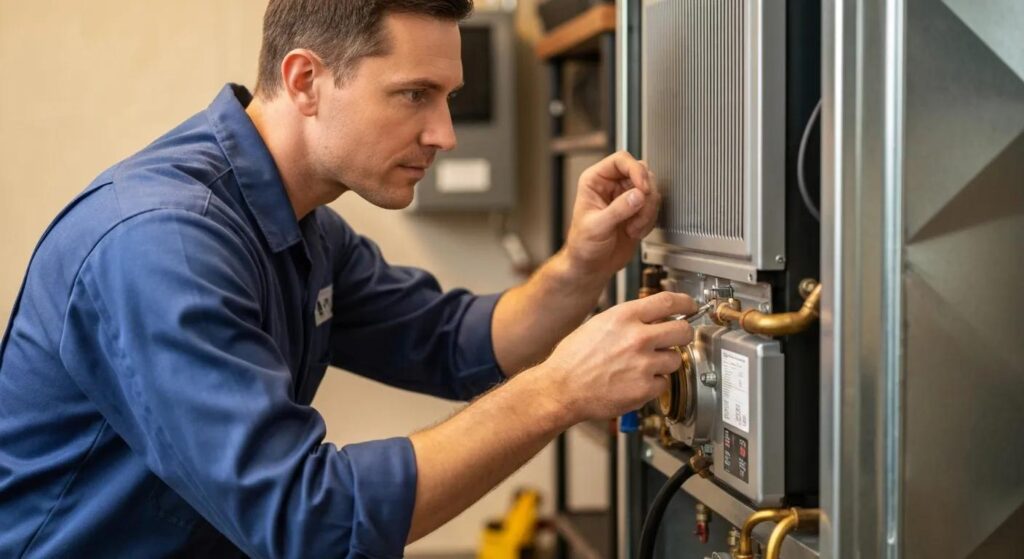
Regular maintenance helps your furnace by stopping dirt buildup, ensuring safe combustion, and catching small problems before they become major failures. An annual inspection usually covers cleaning burners, checking ignitors, testing safety controls, lubricating motors where needed, and verifying airflow — all steps that reduce stress on the heat exchanger and blower. Industry experience shows a well-maintained furnace can last about 5–10 years longer than a neglected one, lowering total ownership costs. Keeping a service record also helps technicians spot trends and recommend conservative repairs instead of reactive emergency fixes.
What Role Do Climate and Usage Play in Furnace Durability?
Climate and use set runtime and stress cycles. Cold climates force long, continuous operation that wears combustion parts faster; milder climates cut run hours but can cause issues from infrequent cycling and dust buildup. In Southern California and the Coachella Valley, less seasonal runtime often delays replacements, but desert dust and temperature swings raise filter loading and motor stress. Thermostat habits — setback programming or zoning — also change cycling patterns; frequent short cycles increase starts per hour and add wear. Understanding local factors helps you set a maintenance schedule and thermostat strategy that extend lifespan.
What Are the Common Signs That Indicate Your Furnace Is Failing?
Spotting furnace trouble early comes down to watching for consistent warning signs. Acting promptly can save money and prevent unsafe conditions. Common red flags include odd noises, rising energy bills, uneven heating, changes in pilot light color, and repeated repair calls. Those symptoms point to likely component issues — banging or delayed ignition suggests combustion timing problems, screeching often means motor bearings, and a yellow pilot light can indicate incomplete combustion and carbon monoxide risk. Seeing these signs early and booking a diagnostic helps prevent catastrophic failure and supports a smart repair-or-replace choice.
Use this checklist to monitor symptoms and understand what they might mean.
- Unusual Noises: Banging, popping, or screeching usually signal mechanical or combustion problems.
- Rising Energy Bills: Falling AFUE and longer run times push costs up.
- Inconsistent Heating: Hot and cold spots often point to airflow or blower issues.
- Pilot Light or Flame Color Changes: A yellow flame can mean incomplete combustion and a safety concern.
- Frequent Repairs: Repeated service calls usually mean parts are near the end of their life and replacement may be cheaper long-term.
That checklist helps you triage symptoms and decide whether to book a diagnosis or plan for replacement — which leads into how to weigh repair versus replace.
Which Noises and Performance Issues Signal Furnace Wear?
Certain sounds give clear clues: a loud bang at startup often means delayed ignition or a combustible buildup; persistent screeching hints at failing blower motor bearings or belts. Rattling or clanking can indicate loose panels, a warped heat exchanger, or debris in the ducts. A humming that shifts pitch could be an electrical problem with the blower motor or control board. If you hear these noises, cut runtime if it’s safe and schedule a professional check — some sounds come before serious damage like a heat exchanger crack, which is a safety risk. Recognizing the patterns lets technicians make targeted repairs before a small issue becomes a big one.
How Do Rising Energy Bills and Pilot Light Problems Indicate Furnace Trouble?
Higher utility bills are a measurable sign of falling efficiency: as AFUE drops from age or clogged filters, furnaces run longer and cycle more, increasing fuel use. Pilot light color and stability are direct indicators of combustion health — a steady blue flame is good; a persistent yellow flame can mean incomplete combustion and higher carbon monoxide risk. Frequent cycling, longer runtimes, or trouble keeping set temperatures all point to reduced output or failing parts and should trigger an inspection. Watching bills and flame behavior gives you an early-warning system that works alongside audible and visual checks. For more information, you can visit HVAC company.
When Should You Repair or Replace Your Furnace?
Choosing repair or replacement balances age, repair cost, expected remaining life, and the benefits of a new high-efficiency system. A simple rule of thumb — the “50 percent rule” — helps: if the repair approaches or exceeds 50% of a new system’s cost and the furnace is past mid-life (often 10–15 years), replacement is usually the smarter long-term choice. Also factor in repair frequency: multiple visits in one season signal declining reliability and rising ownership costs. Combine repair price, age, efficiency, and safety to make a defensible homeowner decision.
Use this practical checklist to guide your repair-versus-replace thinking.
- Compare Repair Cost to Replacement: If the repair is ≥50% of replacement cost, replacing often makes sense.
- Consider Age: Under 10 years, repairs usually make sense; over 15 years, replacement is frequently more economical.
- Assess Frequency of Breakdowns: Multiple repairs in a year suggest systemic decline.
- Factor in Efficiency Gains: New high-AFUE units lower operating costs, offsetting part of the replacement price.
What Is the “50 Percent Rule” for Furnace Repair vs. Replacement?
The “50 percent rule” is an easy-to-use guideline: if a repair will cost half or more of a new installed furnace, replacement is often the better financial move — especially for units older than about 10–15 years. A new system brings years of reliable service and better efficiency; repeated repairs add up quickly. For the best result, get a professional diagnostic and a written quote to compare repair costs with replacement pricing and estimated energy savings. That way you avoid spending on a system that’s near the end of its useful life.
How Does Furnace Age Influence Replacement Timing?
Age brackets help set expectations. Furnaces younger than 10 years usually justify repairs and part replacements because they still have significant life left. Units between 10 and 15 years need a careful look at repair frequency and efficiency loss. Furnaces older than 15 years are commonly recommended for replacement because of higher failure risk and lower AFUE. Local climate matters — milder winters can stretch calendar years, but run hours still add up. Combine age guidance with observed symptoms and cost comparisons so you can plan replacement on your schedule rather than waiting for an emergency.
Across Southern California, homeowners balance mild seasonal use with environmental factors when timing replacement, which makes local professional consultations helpful. Air Plus Heating & Air, a family-owned HVAC company in Desert Hot Springs, CA, offers diagnostics, repairs, and replacement quotes — plus veteran, military, and senior discounts and flexible financing. Contact details are available on their site for anyone who wants a local, tailored assessment for Coachella Valley and Los Angeles area conditions.
How Can You Extend Your Furnace’s Lifespan with Proper Care?
Extending furnace life comes from a mix of homeowner habits — regular filter changes, quick visual checks, and smart thermostat use — plus annual professional tune-ups that focus on combustion safety and mechanical wear. A typical annual service includes cleaning burners, testing ignitors and safety switches, verifying the heat exchanger, lubricating motors where needed, and checking electrical connections. These steps reduce stress, improve efficiency, and catch wear early. Regular filter swaps and good airflow prevent dust-related stress on the blower, and sensible thermostat programming cuts unnecessary cycling. Taken together, proactive care can add years to a system’s useful life while lowering operating costs.
Follow a short, prioritized maintenance checklist so tasks stay manageable. The list below shows essential actions and which ones need a pro.
- Change Filters Regularly: Replace or clean filters every 1–3 months to keep airflow steady and protect components.
- Schedule Annual Professional Tune-Up: Have a certified technician inspect combustion, controls, and safety systems once a year.
- Keep Vents and Return Air Clear: Make sure registers and returns aren’t blocked to avoid airflow restrictions and motor strain.
Those steps are the backbone of a maintenance plan that pairs DIY vigilance with professional expertise — which explains why tune-ups matter in this region.
What Are the Essential Annual Maintenance Steps for Furnaces?
Annual maintenance should include inspecting and cleaning burners and the heat exchanger, testing ignition and safety controls, checking airflow, lubricating moving parts, and inspecting electrical connections and control boards. These tasks address safety and efficiency: clean burners and a healthy heat exchanger mean complete combustion and lower carbon monoxide risk, while good airflow prevents overheating and blower stress. Homeowners can handle filter changes and keeping the area clear, but combustion checks and electrical diagnostics belong to the pros. Documenting each annual service builds a maintenance history that helps with future repair and replacement decisions.
Why Is Professional Furnace Tune-Up Important in Southern California?
Professional tune-ups are especially helpful in Southern California because desert dust, seasonal pollen, and intermittent winter use create wear patterns homeowners might miss. Technicians can spot early heat exchanger corrosion, compromised seals, or refrigerant-related issues in hybrid systems that basic filter changes won’t reveal. Annual service improves AFUE, lowers the chance of mid-season breakdowns, and can add several years to a system’s life by addressing wear before it becomes failure. Scheduling a check before the heating season means your system is ready for colder nights without risking emergency repairs.
When booking maintenance, Coachella Valley and Los Angeles homeowners can consider local plans that include priority scheduling and discounts for veterans, military, and seniors — offerings many local providers make available.
What Are the Benefits of Upgrading to a New, High-Efficiency Furnace?
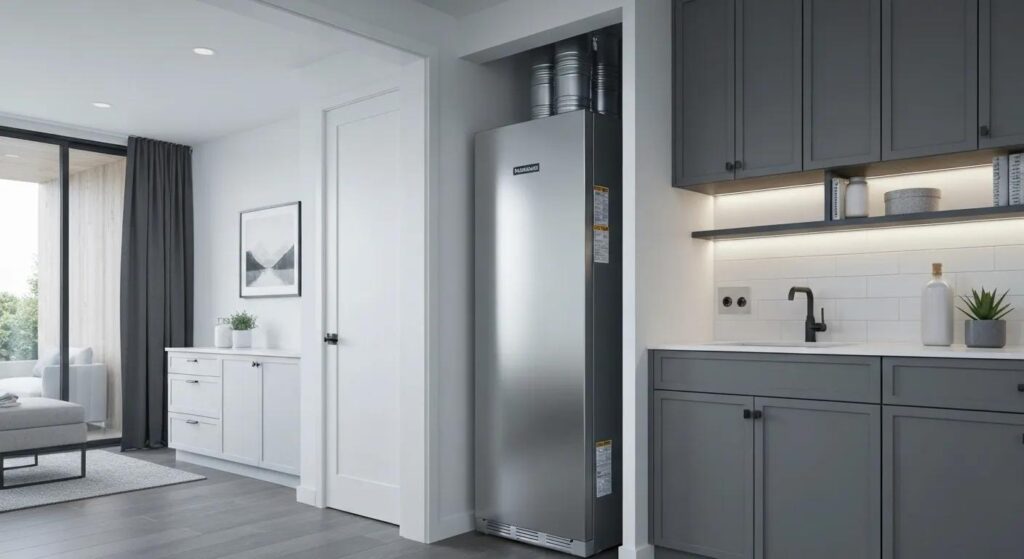
Upgrading to a modern, high-AFUE furnace brings clear benefits: lower energy bills, steadier comfort, and a smaller environmental footprint. AFUE ratings measure how much fuel becomes heat — older units may be around 60–80% AFUE while modern condensing furnaces commonly exceed 90–95% AFUE, which can mean meaningful fuel savings over time. New systems also run quieter, offer more precise controls, and work better with zoning and smart thermostats. Checking rebates, financing, and projected energy savings helps you estimate payback and decide if an upgrade makes sense for your home.
- Upgrading typically cuts monthly fuel costs and stabilizes long-term maintenance expenses.
- Modern units raise comfort through improved airflow control and quieter operation.
- Environmental benefits include lower emissions and a smaller household carbon footprint.
Seeing replacement as an investment in comfort and operating savings — not just a cost — makes it easier to weigh options and next steps.
How Do Energy Savings and AFUE Ratings Improve Comfort and Costs?
AFUE (Annual Fuel Utilization Efficiency) shows the percentage of fuel turned into heat. A higher AFUE means less fuel wasted out the exhaust. For example, moving from 80% to 95% AFUE reduces fuel waste and lowers annual heating costs, with exact savings depending on local fuel prices and run hours. High-efficiency systems with modulating burners and variable-speed blowers keep temperatures steadier and cut short cycling, which improves comfort and reduces wear. Pairing efficiency gains with a programmable thermostat speeds up payback on a replacement.
What Environmental and Comfort Benefits Come with Modern Furnaces?
Modern furnaces burn fuel more completely, which lowers emissions per unit of heat. They also improve indoor air quality through better filtration and airflow control and run quieter thanks to advanced blowers and sound-damping design. These improvements reduce your household carbon footprint and make your home more comfortable, especially with duct sealing and zoning. Over the equipment’s life, lower fuel use and fewer emergency repairs reduce both environmental and financial costs. Many local installers offer financing and discounts that make upgrades more affordable.
Air Plus Heating & Air provides installation, repair, and maintenance across Southern California, including the Coachella Valley and Los Angeles area, with financing options and discounts for veterans, military, and seniors. Homeowners who want a professional assessment, tune-up, or replacement quote can contact the company in Desert Hot Springs, CA to schedule an appointment or request a tailored estimate that reflects local climate and usage patterns.
Frequently Asked Questions
What maintenance tasks can homeowners perform to extend their furnace's lifespan?
Simple homeowner tasks make a big difference: change or clean filters every 1–3 months, keep vents and returns clear, and set your thermostat to avoid unnecessary cycling. Those habits help maintain airflow and reduce stress on components. Pair DIY care with an annual professional tune-up to catch issues that need a technician — together they protect your investment and keep your furnace reliable.
How can I tell if my furnace is operating efficiently?
Watch your energy bills for unexpected increases and note any changes in comfort or run times. Check your furnace’s AFUE rating (new units commonly exceed 90% AFUE). Regular maintenance — clean filters and unobstructed airflow — also keeps efficiency up. If you notice uneven heating, frequent cycling, or a sharp rise in fuel use, schedule a professional inspection to assess performance.
What are the benefits of upgrading to a high-efficiency furnace?
High-efficiency furnaces lower fuel bills, improve comfort, and reduce emissions. They often include features like variable-speed blowers and modulating burners for steadier temperatures and quieter operation. Over time, lower operating costs and fewer repairs can offset the initial investment, making an upgrade a strong long-term choice for many homeowners.
What signs indicate that my furnace may need repairs?
Look for unusual noises (banging, screeching), rising energy bills, inconsistent heating, or a change in pilot light color. Frequent service calls or a noticeable drop in performance also point to trouble. If you see any of these signs, book a diagnostic with a qualified technician before the problem gets worse.
How does climate affect furnace lifespan and performance?
Climate affects runtime and wear: cold regions run furnaces longer, which increases component stress; mild regions run less but can face dust and infrequent-cycle issues. In Southern California, milder winters often extend a furnace’s calendar years, but desert dust and temperature swings still impact filters and motors. Tailor maintenance and thermostat strategies to your local conditions to get the most life from your system.
What is the importance of professional furnace inspections?
Professional inspections catch safety and performance issues that are easy to miss, like heat exchanger corrosion or electrical faults. Regular checks maintain efficiency, reduce the risk of mid-season breakdowns, and extend equipment life. In regions with environmental challenges, such as desert dust, a technician’s eye is especially valuable. Annual inspections are a proactive way to save money and avoid stress down the line.
Conclusion
Knowing how long your furnace should last and what it needs to stay healthy keeps your home comfortable and your energy costs under control. Regular maintenance, attention to warning signs, and timely decisions about repair versus replacement will extend system life and prevent costly surprises. Upgrading to a high-efficiency furnace installation delivers long-term savings and better comfort. If you’d like personalized advice or local service, reach out to trusted experts in your area.