

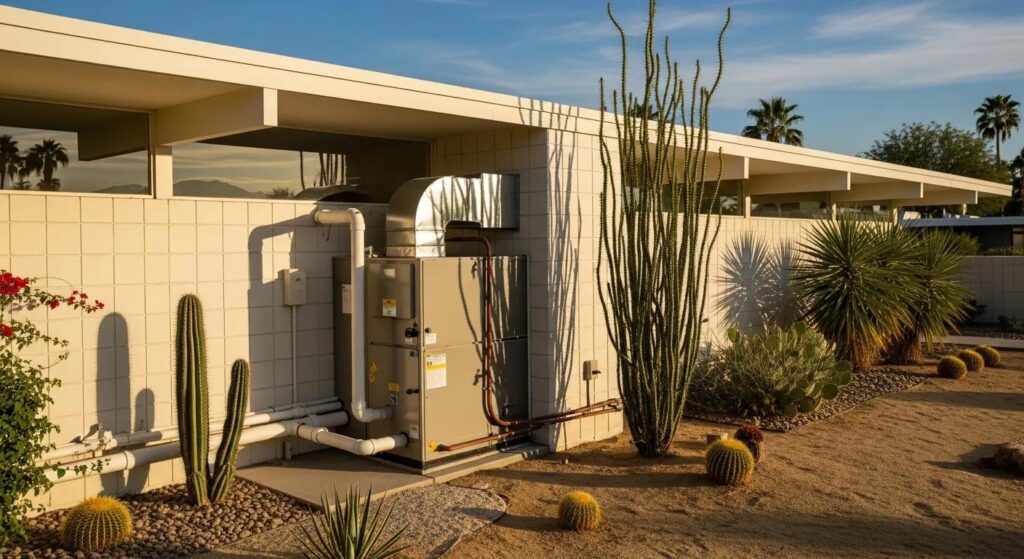
Coachella Valley Winter Heating Checklist: Furnace Tune‑Up & Energy‑Smart Heating Tips
Preparing your home for winter means making sure the heating system runs safely, reliably, and efficiently when temperatures drop. In the Coachella Valley that means planning for big day‑to‑night temperature swings, persistent fine desert dust, and low indoor humidity — all factors that increase run‑time, worsen indoor air, and put extra strain on equipment. This guide walks you through why a pre‑winter check matters, how to complete a thorough furnace tune‑up, and practical energy‑saving strategies tailored to desert homes. You’ll find step‑by‑step inspection tasks, homeowner maintenance you can do, heat pump considerations common in Palm Springs‑area houses, and clear signs that require a technician. We also cover thermostat recommendations, duct sealing, and maintenance plan options to reduce emergency calls and trim operating costs. Use the checklists, comparison tables, and symptom→action maps to prepare your system for winter with confidence.
Why Is Winter Heating Preparation Crucial for Coachella Valley Homes?
Getting ready for winter in the Coachella Valley protects your household and your equipment by addressing regional challenges that uniquely stress heating systems. Cold nights increase run‑time while warm days can hide developing problems, producing unpredictable cycling that exposes weak parts. A timely pre‑season inspection reduces carbon monoxide risk through vent and combustion checks, improves indoor air by removing built‑up dust, and prevents costly emergency repairs by catching wear early. Proactive maintenance also restores efficiency so your home uses less fuel or electricity during extended cold nights. Below is a short summary of the top reasons to act now, followed by a brief local action plan you can use.
Winter preparation matters for three primary reasons:
- Safety: Early inspections find combustion leaks and carbon monoxide risks before heavy winter use.
- Reliability: Replacing worn parts and cleaning components prevents mid‑season failures that leave homes cold.
- Efficiency: Cleaning and calibrating systems restores performance and reduces wasted energy during heating cycles.
Scheduling a pre‑winter inspection is an effective first step. For Coachella Valley homeowners, choosing a local hvac company familiar with desert dust and temperature swings speeds preparation and focuses work where it matters most.
How Does the Desert Climate Affect Heating Needs in Coachella Valley?
The desert climate influences heating in three linked ways: sharp nighttime drops increase heating demand, fine mineral and organic dust fouls filters and coils, and low humidity changes perceived comfort and system cycling. Nighttime lows mean furnaces and heat pumps run longer and cycle more often, accelerating wear on motors and ignitors. Dust builds up quickly in filters, vents, and heat exchangers, restricting airflow, raising energy use, and lowering indoor air quality. Low relative humidity makes rooms feel colder at the same thermostat setting, which can prompt higher setpoints and longer run‑times — adding a simple humidity strategy often improves comfort and lowers energy use. Addressing filtration, sealing, and humidity reduces stress on equipment and leads naturally to the benefits of early maintenance.
What Are the Benefits of Early Winter HVAC Maintenance?
Early maintenance delivers clear, measurable benefits you’ll notice during cold spells. Routine tune‑ups restore airflow and combustion efficiency, evening out temperatures and lowering energy consumption. Safety inspections reduce the chance of carbon‑monoxide or gas incidents. Technicians catch worn belts, failing capacitors, or corroded heat exchangers before they become emergencies, extending equipment life and protecting home value. Local techs often report fewer emergency callbacks for systems serviced before the season — shifting costs from urgent repairs to planned maintenance. With those advantages in mind, here’s a practical tune‑up checklist homeowners and technicians typically follow.
How to Perform a Comprehensive Furnace Tune‑Up in Coachella Valley
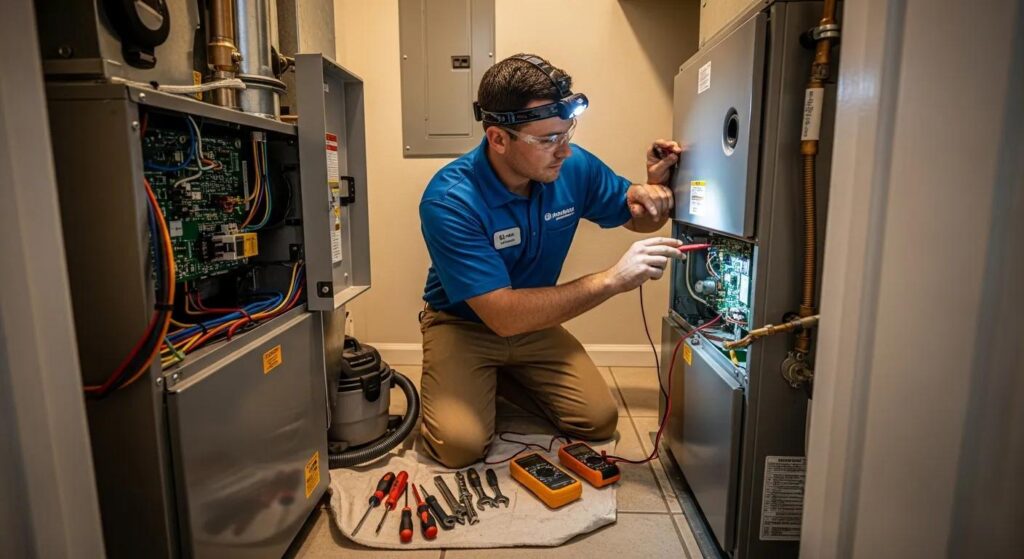
A comprehensive tune‑up is a step‑by‑step series of safety checks, inspections, cleanings, and calibrations designed to ensure safe operation, improve combustion efficiency, and reduce failure risk. The process starts with combustion and CO verifications, moves through mechanical and electrical inspections, and finishes with airflow testing, thermostat calibration, and homeowner guidance on filters and controls. Performing these tasks annually — ideally before sustained cold — keeps systems optimized for desert conditions and limited outdoor service windows. Below is a professional checklist and a compact EAV table that explains core tune‑up tasks and the outcomes you should expect.
A typical professional tune‑up follows these main steps:
- Safety and combustion checks: Confirm proper venting, check for carbon monoxide and combustion issues, and verify gas pressure or electrical safety.
- Mechanical and electrical inspection: Inspect blower motor, belts, capacitors, wiring, and controls for wear or damage.
- Cleaning and calibration: Clean burners, flame sensors, and heat‑exchanger surfaces; adjust ignition timing and thermostat accuracy.
- Airflow and filter service: Replace or advise on filters, clear vents, and test duct airflow for restrictions.
- Final system test and homeowner briefing: Run full cycles, confirm setpoint response, and review simple maintenance steps with the homeowner.
Below is a concise EAV‑style comparison of common tune‑up tasks with their main benefits and typical outcomes.
| Tune‑Up Task | Benefit | Typical Outcome |
|---|---|---|
| Safety and combustion checks | Reduces CO risk and confirms safe operation | Safe venting and combustion verified, lowering household risk |
| Blower and motor inspection | Improves airflow and system reliability | Balanced airflow and fewer unexpected motor failures |
| Burner and heat exchanger cleaning | Restores combustion efficiency | Cleaner combustion, more efficient fuel use, and lower energy waste |
Air Plus Experts (doing business as Air Plus Heating and Air) provides pre‑winter inspections for Coachella Valley homes, with a focus on desert dust mitigation and combustion safety. Our technicians perform the safety, mechanical, and cleaning tasks above and deliver an itemized report with recommended repairs and maintenance. Homeowners who want to schedule a pre‑winter inspection or ask about tune‑up availability can contact us by phone to arrange service.
What Are the Key Steps in a Furnace Inspection and Cleaning?
A furnace inspection and cleaning is a technician‑led sequence that restores safe operation and improves efficiency through targeted work. The procedure begins with a shutdown and visual safety checks, including venting integrity and combustion‑chamber inspection for cracks or corrosion. Techs then test ignition systems and gas pressure or electrical controls, remove access panels to clean burners, flame sensors, and heat‑exchanger surfaces of soot and dust, and clean the blower assembly — including the blower wheel and belts or motor mounts. After reassembly they run a full performance test to confirm temperature rise and airflow targets. Knowing these steps helps homeowners verify completed work and understand which tasks are best left to professionals.
How Often Should You Schedule Furnace Tune‑Ups for Optimal Performance?
For most Coachella Valley homes, an annual professional tune‑up before the first sustained cold period is the baseline recommendation. Systems exposed to heavy dust, frequent cycling, or older equipment may benefit from an additional mid‑season check to keep filters and coils clear and catch accelerated wear. Heat pumps and mini‑splits also typically need annual checks, timed to address both heating and cooling needs when units perform dual roles. Schedule service sooner if you notice unusual noises, smells, or performance drops between inspections. An annual cadence, with flexibility for extra visits in dusty years, reduces emergency breakdowns and preserves efficiency. Heat pump services and expertise can greatly enhance system performance.
What Are Effective Winter Heating Maintenance Practices for Palm Springs Homes?
Effective winter maintenance in Palm Springs adapts standard HVAC care to local building types, common equipment, and desert conditions. Key practices include checking and changing filters more often to combat particle loads, keeping outdoor units for heat pumps and mini‑splits free of debris, and verifying thermostat programming for efficient setbacks. Regularly inspect and clear condensate lines, vents, and combustion air paths to prevent blockages that harm performance or safety. Together, these tasks improve comfort, lower energy use, and reduce service calls during cold spells. The next sections offer targeted guidance for heat pump care and filter best practices you can implement quickly.
How to Maintain Heat Pumps During the Winter Season?
Winter care for heat pumps focuses on preserving refrigerant performance, airflow, and correct defrost operation so the unit delivers steady heat during cold nights. Keep the outdoor unit clear of dust, leaves, and obstructions to maintain airflow and prevent heat‑exchanger fouling. Technicians should verify refrigerant charge and inspect reversing valves and defrost controls to avoid inefficient operation and excessive run‑times. Scheduling a professional winter prep ensures defrost cycles and electrical components are set correctly, reducing short‑cycling and unexpected failures. Proper heat pump care in desert climates lowers wear and keeps heating efficient.
Why Is Air Filter Replacement Important for Indoor Air Quality and Efficiency?
Replacing air filters is a simple homeowner task with a big impact on indoor air quality (IAQ) and system efficiency, especially in dusty Coachella Valley homes. Filters capture dust, pollen, and particulates that would otherwise coat coils and reduce heat transfer, so timely replacement sustains airflow and protects components like the blower motor. During high‑dust months check filters monthly and replace as needed; higher‑MERV filters improve IAQ but should match system capacity to avoid restricting airflow. Regular filter changes reduce energy use, lower allergens inside the home, and prevent premature equipment wear — which leads into thermostat strategies for additional savings.
How Can Coachella Valley Residents Improve Energy Efficient Heating This Winter?
Improving heating efficiency in the Coachella Valley combines thermostat strategy, duct integrity, and small behavior changes to lower system load while keeping you comfortable. Use programmable thermostats to lower setpoints when sleeping or away, and maintain modest humidity to improve perceived warmth so you can set the thermostat lower. Seal and insulate accessible ducts to reduce heat loss in attics and crawlspaces, and consider zoning or spot heating to reduce demand on whole‑house systems. The table below pairs recommended actions with their benefits, and the thermostat list gives quick, practical settings you can apply today.
| Recommended Action | Recommended Setting/Action | Benefit |
|---|---|---|
| Thermostat setback | Lower 5–10°F when away or sleeping | Reduces runtime and energy use |
| Duct sealing and insulation | Seal gaps and insulate accessible ducts | Decreases heat loss and improves comfort distribution |
| Humidity management | Maintain 30–40% relative humidity | Increases perceived warmth so you can keep setpoints lower |
Use consistent programmable strategies to capture the largest savings with minimal comfort impact.
- Home (awake): Aim for about 68°F for a balance of comfort and efficiency.
- Away: Lower thermostat 5–10°F when the house is empty to cut energy use.
- Sleep: Reduce setpoint 5–8°F overnight to save energy while you rest.
These settings work best with a programmable or smart thermostat that automates setbacks and recovers temperature before you return. Pairing these controls with properly sealed ducts maximizes the savings and comfort benefits.
What Thermostat Settings Optimize Comfort and Energy Savings?
Balanced thermostat settings use modest setbacks and programmable controls to avoid unnecessary heating. The EPA‑style guidance — about 68°F when at home and awake, lower when asleep or away — fits desert homes when paired with humidity control to address perceived warmth. Smart thermostats can further improve efficiency by learning occupancy patterns and optimizing recovery so the system runs less while keeping you comfortable when needed. In zoned homes, lower temperatures in seldom‑used rooms to cut energy without sacrificing main living‑area comfort. These simple control and behavior adjustments add up to meaningful seasonal savings.
How Does Ductwork Inspection and Sealing Reduce Heat Loss?
Duct inspection and sealing target hidden heat losses in unconditioned spaces and directly reduce wasted energy while improving temperature balance. Common signs of leaky ducts include uneven room temperatures, dusty vents, and higher‑than‑expected heating bills. Pressure testing locates leaks at joints, flex connections, and boot seams. Sealing with mastic or approved foil tape and insulating ducts in attics or crawlspaces preserves delivered heat and shortens run‑times. Professional duct testing quantifies loss and prioritizes repairs; sealed ducts often let a smaller system meet comfort needs more efficiently.
What Are Common Winter Heating Problems and When Should You Call for Repair in Coachella Valley?
Typical winter issues in the Coachella Valley include no heat, short‑cycling, odd noises, lingering odors, and rising energy bills — each pointing to different causes and actions. Some symptoms are immediate safety concerns — like combustion smells or a triggered CO alarm — and require powering down the system and calling a professional right away. Other signs, such as reduced airflow or uneven heating, suggest maintenance or ductwork fixes that should be scheduled before they worsen. The list below maps common symptoms to recommended homeowner responses.
If you observe these symptoms, take the following actions:
- No heat or failing to reach set temperature: Check the thermostat batteries and settings; if everything is correct, call for an inspection.
- Strange mechanical noises: Turn off the system and schedule a professional inspection to prevent further damage.
- Persistent burning or chemical odors: Shut off the system, ventilate the home, and contact a professional immediately for safety checks.
These quick mappings help prioritize responses. For any safety‑related signs — combustion odors, visible soot, or CO alarm activation — contact a professional immediately to protect occupants.
What Are Signs Your Heating System Needs Professional Repair?
Clear signs you need professional repair include persistent strange noises, visible corrosion or leaks, repeated short‑cycling, burning or musty odors, and a sudden rise in energy use without changes in thermostat settings. Short‑cycling often means overheating, airflow restriction, or control faults and speeds component wear, so it deserves prompt attention. Burning smells can indicate electrical faults or overheated parts — shut down and get an inspection. Higher bills and uneven heating frequently point to duct leaks, failing compressors, or degraded heat exchangers, which a technician can diagnose with targeted tests. Spotting these issues early prevents a minor problem from becoming an emergency.
How Does Preventative Maintenance Prevent Emergency Heating Breakdowns?
Preventative maintenance finds and fixes wear, fouling, and control drift before they cause failures that leave you without heat. Regular inspections reveal loose electrical connections, failing capacitors, worn belts, and dirty burners — problems that gradually degrade performance and eventually cause outages. Maintenance also ensures safety systems like venting and CO safeguards remain functional. A documented maintenance history helps technicians prioritize replacements and schedule non‑urgent repairs during planned visits, shifting costs from emergency premiums to predictable service. This approach reduces surprise breakdowns and keeps systems running through the season.
At any sign of a safety‑related fault or sudden system failure, contact a local professional for emergency repair. For homeowners in the Coachella Valley, Air Plus Experts (doing business as Air Plus Heating and Air) is available by phone for urgent service or guidance on safe shutdown procedures.
Which HVAC Maintenance Plans and Financing Options Support Winter Heating Preparation?
Maintenance plans and financing options make winter readiness more affordable and secure priority access when demand rises. Annual plans often include scheduled tune‑ups, priority scheduling during cold snaps, and discounts on parts and repairs — all of which lower total cost of ownership and reduce emergency risk. Financing and targeted discounts ease the upfront cost of larger repairs or replacements so you can address worn components before they fail. The table below compares common plan types, typical inclusions, and homeowner benefits to help you decide whether enrollment makes sense.
The table clarifies how plan tiers translate into practical benefits for Coachella Valley homeowners.
| Plan Type | Included Services | Typical Customer Benefit |
|---|---|---|
| Basic annual maintenance | One tune‑up per year, filter reminders | Keeps system maintained and preserves warranty eligibility |
| Priority service plan | Two inspections, priority scheduling, repair discounts | Faster response in peak season and lower repair costs |
| Comprehensive protection plan | Multi‑point inspections, parts discounts, emergency response | Maximizes uptime and simplifies repair budgeting |
Flexible financing and discounts lower barriers to needed repairs and replacements by spreading costs and reducing upfront expense. Common offers include installment financing for larger projects and targeted discounts for qualifying customers. Homeowners interested in plan enrollment, financing details, or discount eligibility can contact Air Plus Experts (doing business as Air Plus Heating and Air) by phone for full plan information and help enrolling.
What Are the Benefits of Annual Maintenance Plans for Coachella Valley Homes?
Annual maintenance plans provide priority scheduling, seasonal inspections, and potential discounts that reduce emergency costs and extend equipment life. Regular visits ensure filters, burners, heat exchangers, and controls are reviewed before heavy winter use, lowering the chance of mid‑season failures and improving seasonal efficiency. Plans usually include service documentation that supports resale value and warranty compliance. For many homeowners, the peace of mind and predictable service schedule justify the modest recurring cost compared with the expense and inconvenience of an unexpected breakdown.
How Do Flexible Financing and Discounts Help with Winter Heating Services?
Flexible financing and discounts let homeowners address urgent repairs or necessary replacements without delaying work due to cost. Financing spreads larger expenses into manageable payments so systems can be repaired or replaced before cold weather worsens. Targeted discounts lower immediate out‑of‑pocket costs for eligible customers. If you’re considering repairs, ask about available financing terms and discount eligibility to find an option that fits your budget and timeline. Contact Air Plus Experts (doing business as Air Plus Heating and Air) by phone to learn specific plans, financing options, and enrollment steps.
Frequently Asked Questions
What should I do if my heating system is making strange noises?
If your heating system makes unusual noises, turn it off to prevent further damage and check for obvious issues like loose panels or debris. Strange sounds often mean mechanical wear or failing components. If the noise continues after basic checks, schedule a professional inspection — addressing the problem early prevents larger failures and higher repair costs.
How can I improve indoor air quality during winter heating?
To improve indoor air quality during winter, replace air filters regularly and consider a whole‑home or portable air purifier to reduce airborne particles. Maintain indoor humidity around 30–40% to improve comfort and reduce dust resuspension. Also ventilate intermittently (briefly opening windows or using exhaust fans) when cooking or cleaning to bring in fresh air without losing heat continuously. For more information, visit our indoor air quality page.
What are the signs that my furnace needs to be replaced?
Signs a furnace may need replacement include age (typically 15+ years), frequent repairs, inconsistent heating, rising energy bills, and persistent odors or dust. If repair costs are high or the system no longer meets comfort needs efficiently, a replacement can be more economical. A professional evaluation will compare repair versus replacement options for your situation.
How can I reduce heating costs during the winter?
Reduce heating costs by optimizing thermostat settings (setbacks when away or asleep), improving insulation and sealing gaps, and keeping filters clean. Use programmable or smart thermostats to automate setbacks, seal and insulate ducts, and consider zone heating or space heaters for frequently used rooms. Regular maintenance also helps systems run closer to peak efficiency.
What should I do if my heating system stops working suddenly?
If your system stops working, first check the thermostat settings and batteries, then inspect the breaker for a trip. Look for visible issues such as leaks or burning smells. If the system still won’t run, turn it off and call a professional technician — avoid DIY fixes for electrical or combustion components to prevent safety hazards.
Are there specific maintenance tasks for heat pumps in winter?
Yes. Keep the outdoor unit clear of debris, check refrigerant charge, and confirm the defrost cycle and reversing valve function. Ensure electrical connections are secure and schedules a professional check to verify defrost timing and controls so the heat pump systems runs efficiently in colder night‑time temperatures.
What are the benefits of enrolling in a maintenance plan for my heating system?
A maintenance plan provides scheduled tune‑ups, priority service during peak times, and discounts on repairs — all of which reduce emergency risk and overall ownership cost. Regular service keeps systems efficient and safe, and documented maintenance supports warranties and resale value, giving homeowners peace of mind through the season.
Conclusion
Preparing your Coachella Valley home for winter heating improves safety, comfort, and efficiency. Schedule a thorough furnace tune‑up, follow simple maintenance steps like regular filter changes and duct sealing, and use smart thermostat strategies to lower costs. Proactive maintenance reduces emergency breakdowns and keeps energy bills in check — if you’d like help, contact a local HVAC professional or reach out to Air Plus Experts to get your system ready for the season.