

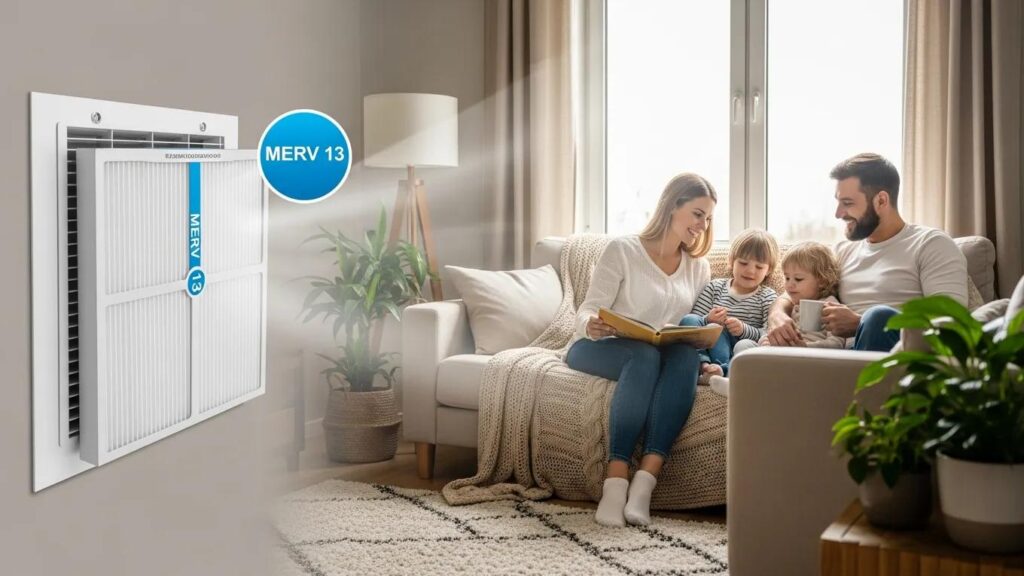
Guide to Choosing the Right HVAC Air Filter for Optimal Home Comfort and Efficiency
Choosing the correct HVAC air filter affects both your comfort and your system’s efficiency. Different filters target particles of varying sizes and have different impacts on airflow and energy use. At Air Plus Heating and Air, we have created this guide to break down filter types, MERV ratings, maintenance, and costs so you can pick the option that matches your home’s needs and priorities. If allergies, dust, or poor indoor air bother your household, the right filter can make a measurable difference.
Types of Air Filters
HVAC filters come in several common types, each with trade-offs in efficiency, cost, and maintenance. Knowing the differences helps you match a filter to your home’s air quality needs and your system’s capabilities.
- HEPA Filters: High-Efficiency Particulate Air (HEPA) filters are designed to capture 99.97% of particles that are 0.3 microns or larger. They are ideal for individuals with allergies or respiratory issues, as they effectively trap dust, pollen, and pet dander. We recommend HEPA filters for clients seeking the highest level of particle removal.
- Pleated Filters: These filters have a larger surface area than standard fiberglass filters, allowing them to capture more particles. They are more efficient and can last longer, making them a popular choice for homeowners looking for a balance between cost and performance. Our customers often choose pleated filters for their combination of effectiveness and affordability.
- Fiberglass Filters: The most basic type of air filter, fiberglass filters are inexpensive and disposable. However, they are less effective at trapping smaller particles and are best suited for general dust control rather than allergy relief. We suggest fiberglass filters for clients with minimal air quality concerns or budget constraints.
- Activated Carbon Filters: These filters are designed to absorb odors and volatile organic compounds (VOCs) in addition to filtering particles. They are particularly useful in homes with pets or smokers. At Air Plus Heating and Air, we offer activated carbon filters to help improve indoor air freshness and reduce unwanted smells.
- Washable Filters: These reusable filters can be cleaned and reused, making them an eco-friendly option. However, they may not be as effective as disposable filters in capturing smaller particles. We advise clients considering washable filters to weigh the benefits of reusability against potential reductions in filtration efficiency.
When choosing among these options, consider your primary goals—particle removal, odor control, or long-term cost savings—and whether your HVAC system can handle denser media. For example, HEPA-level filtration delivers strong particle removal but is typically used in stand-alone units or systems explicitly designed to accommodate the added resistance to airflow.
At Air Plus Heating and Air, we carry a selection of filters suited to different homes and concerns, so you can find the balance of filtration and airflow that works for you.
MERV Ratings
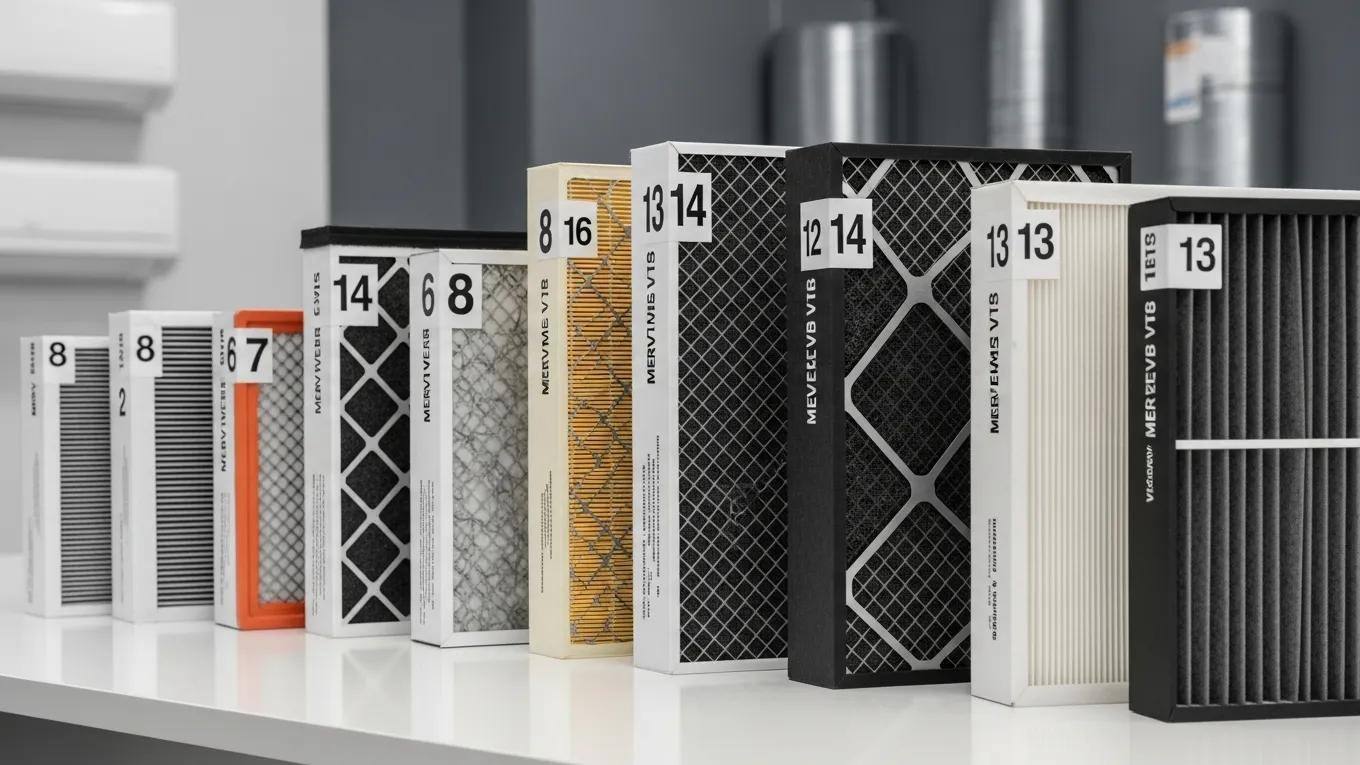
MERV (Minimum Efficiency Reporting Value) rates a filter’s ability to capture particles. The scale runs from about 1 to 16; higher numbers mean finer particle capture but may affect airflow if your system isn’t compatible.
- MERV 1-4: These filters are suitable for basic dust control and are often found in residential settings. They capture larger particles but are not effective against allergens. We recommend these for clients with minimal air quality concerns or those on a tight budget.
- MERV 5-8: Filters in this range can capture smaller particles, including mold spores and pet dander, making them a better choice for allergy sufferers. Many of our customers find this range offers a good balance of performance and cost.
- MERV 9-12: These filters are effective at trapping finer particles and are recommended for homes with pets or individuals with respiratory issues. At Air Plus Heating and Air, we often suggest this range for clients seeking enhanced air quality without excessive system strain.
- MERV 13-16: High-efficiency filters that capture a significant percentage of airborne particles, including bacteria and smoke. These are ideal for those seeking maximum air quality. We advise checking your system’s compatibility before upgrading to this level to avoid airflow issues.
In practice, many homes find an effective balance in the mid-range MERV ratings that improve air quality without causing excessive strain on the fan motor. If you are considering a MERV 13 or above, check whether your furnace or air handler lists a compatible maximum MERV or consult a professional to avoid reduced airflow or increased energy use.
When comparing filters by MERV, also compare frame rigidity and sealing quality. A high-MERV media in a flimsy frame can allow bypass around the edges, reducing actual performance. Proper installation and a snug fit are as important as the rating itself.
Assessing Your Air Quality Needs
Start by listing the air quality issues that matter most to your household. That clarity will guide your filter choice and maintenance plan.
- Allergies: If you or your family members suffer from allergies, opt for HEPA or high-MERV filters to capture allergens effectively. We have helped many clients improve their indoor air quality and reduce allergy symptoms by selecting the right filters.
- Pets: Homes with pets may benefit from filters designed to trap pet dander and odors. Our activated carbon filters are especially popular among pet owners looking to reduce odors and airborne particles.
- Location: If you live in an area with high pollution or dust levels, a more efficient filter may be necessary to maintain indoor air quality. We serve clients in Coachella Valley, CA, where dust and outdoor pollutants can be a concern.
- Health Conditions: Individuals with respiratory issues may require specialized filters to reduce airborne irritants. We work closely with clients to recommend filters that support sensitive lungs and overall health.
Also consider lifestyle factors such as renovation dust, the number of occupants, and whether you frequently host visitors. Seasonal events—like wildfire smoke in some regions—may require temporary upgrades or the use of portable HEPA units in addition to your HVAC filter to maintain safe indoor air.
Documenting these priorities will make it easier to match filter features—particle capture, odor control, washable media—to the outcomes you want: fewer allergy symptoms, less visible dust, or lower indoor odors.
Consult Your HVAC System’s Requirements
Before buying, verify your system’s filter size and the manufacturer’s recommended MERV range. Using an incompatible filter can reduce efficiency or strain the system.
- Manufacturer Recommendations: Always check the manufacturer’s guidelines for the recommended filter type and MERV rating to ensure optimal performance. We encourage our clients to consult their system manuals or contact us for guidance.
- Airflow Considerations: Avoid filters that restrict airflow, as this can lead to increased energy consumption and strain on your HVAC system. Our technicians can help assess your system’s capacity to handle different filter types.
- Compatibility: Ensure that the filter you choose is compatible with your system to maintain efficiency and prolong its lifespan. At Air Plus Heating and Air, we provide expert advice to help you select filters that fit your equipment perfectly.
When in doubt, take a photo of the existing filter and the filter compartment and bring it to a supplier or technician. A brief professional inspection can reveal whether your blower motor can handle higher-resistance media or if a different strategy—such as a dedicated portable purifier—is preferable.
Maintenance Tips
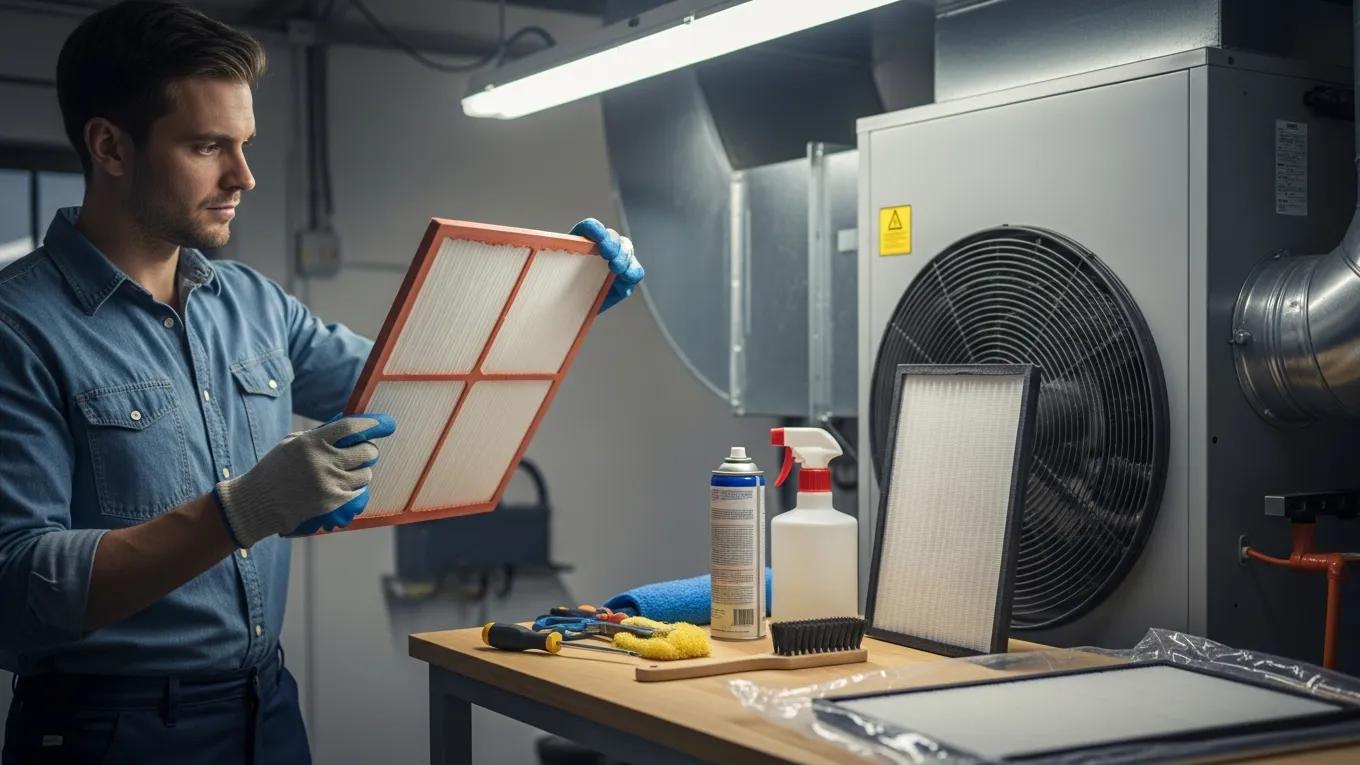
Routine filter care preserves air quality and keeps your HVAC running efficiently. Simple checks and timely replacements prevent problems before they start.
- Inspect Filters Monthly: Regularly check your filters for dirt and debris buildup. This will help you determine when it’s time for a replacement. We recommend setting a monthly reminder to keep this task on your radar.
- Replace Filters Every One to Three Months: Depending on the type of filter and your home’s air quality, replace filters regularly to maintain efficiency. Our team can help you establish a replacement schedule tailored to your household’s needs.
- Look for Signs of Clogging: Reduced airflow from vents, increased energy bills, and visible dirt on filters are indicators that it’s time for a change. We advise clients to be vigilant for these signs to avoid system strain.
Practical maintenance habits include keeping spare filters on hand, marking replacement dates on the filter frame, and setting calendar reminders tied to high-use seasons. If you run pets or a busy household, check filters more often. For reusable filters, follow the manufacturer’s cleaning instructions and inspect media for damage after each wash.
Additionally, maintain clear return grilles and avoid blocking vents. A clean filter works best when the rest of the air pathway is free of obstructions and dust buildup, so pair filter care with occasional duct and grille cleaning as needed.
Cost Considerations
Compare upfront cost against filter life and energy impact. A higher-efficiency filter can cost more initially but may save on energy and reduce dust buildup over time.
- Initial Costs vs. Long-Term Savings: Higher efficiency filters may have a higher upfront cost but can lead to significant savings on energy bills over time. We help clients evaluate these trade-offs to find the best value for their budget.
- Evaluate Maintenance Needs: Consider the frequency of filter replacements and the associated costs when choosing a filter. Our experts can assist in calculating total ownership costs to guide your decision.
- Budget for Quality: Investing in a quality filter can improve your home’s air quality and reduce the need for costly repairs down the line. At Air Plus Heating and Air, we emphasize the importance of quality for long-term benefits.
When evaluating costs, look at total cost of ownership: purchase price plus replacement frequency, plus any energy penalty from increased static pressure. Buying multi-pack filters or joining a subscription service can reduce per-filter cost and simplify maintenance. For washable filters, compare the purchase price plus the time and minimal cleaning supplies required over the product life to determine whether they are truly cost-effective for your situation.
What Are HVAC Air Filters and Why Are They Essential?
HVAC filters remove dust, allergens, and other particles from the air moving through your heating and cooling system. Clean filters protect indoor air quality and help the system run as designed.
- Dust and Allergen Trapping: Filters capture dust, pollen, and other allergens, reducing their presence in your home. We have seen firsthand how effective filtration can improve comfort for our clients.
- Improving Indoor Air Quality: Regularly changing filters helps maintain clean air, which is essential for health and comfort. Our team stresses the importance of consistent filter care to maintain these benefits.
- Efficiency Maintenance: Clean filters allow HVAC systems to operate efficiently, reducing energy consumption and prolonging system lifespan. We help clients avoid costly repairs by promoting proper filter maintenance.
Beyond those basic functions, filters also reduce the rate at which dust settles on furniture and electronics, which can lower cleaning time and protect sensitive equipment. In homes with infants or immunocompromised residents, improved filtration can form part of a broader strategy that includes humidity control and regular ventilation to maintain healthier indoor air.
How Do HVAC Air Filters Improve Indoor Air Quality?
Filters reduce airborne particles that trigger allergies or irritate lungs. Choosing the right filter and changing it regularly keeps indoor air noticeably cleaner.
- Pollutant Reduction: Filters trap dust, pet dander, and other allergens, leading to cleaner air. We recommend combining effective filters with regular maintenance for best results.
- Comfort and Well-Being: Improved air quality contributes to overall comfort and well-being, particularly for individuals with allergies or respiratory issues. Our clients often report noticeable improvements after upgrading their filters.
- Regular Changes: To maintain effectiveness, it’s essential to change filters regularly, ensuring optimal air quality. We provide reminders and support to help you stay on schedule.
Different filters address different pollutants. For example, activated carbon filters help minimize odors and some gaseous compounds, while high-efficiency particle filters focus on tiny particulates. Using a combination—an efficient HVAC filter paired with a portable HEPA unit in key rooms—can give layered protection where it is most needed.
What Role Do Air Filters Play in HVAC System Efficiency?
Filters directly affect airflow. Clean filters let air move freely so the system uses less energy; clogged filters force the system to work harder and raise operating costs.
- Clean Filters Improve Efficiency: When filters are clean, airflow is unobstructed, allowing the system to operate efficiently. We encourage our clients to maintain clean filters to optimize system performance.
- Clogged Filters Increase Energy Consumption: Dirty filters restrict airflow, causing the system to work harder and consume more energy. Our maintenance services help prevent this costly issue.
- Prolonging System Lifespan: Regular maintenance and filter changes can extend the lifespan of your HVAC system, saving you money in the long run. We have helped many clients avoid premature system failures through proper filter care.
To assess the filter’s impact, compare airflow and comfort before and after replacement. If a new filter noticeably restores airflow and stabilizes temperatures, it confirms the old filter was a limiting factor. For best results, replace filters on a schedule that reflects both the manufacturer’s guidance and your household conditions, and consider professional airflow testing if you suspect more systemic issues.
Which HVAC Air Filter Types Best Suit Your Home Needs?
Your best filter depends on the specific problems you want to solve—allergen control, odor reduction, or general dust capture—and on your system’s compatibility.
- Consider Air Quality Needs: Evaluate your household’s air quality concerns, such as allergies or pet dander. We work with you to identify your priorities and recommend suitable filters.
- Evaluate Filter Efficiency Ratings: Look for filters with higher MERV ratings for better performance. Our experts can explain the benefits and limitations of different ratings.
- Consult HVAC Professionals: For personalized advice, consider consulting with HVAC professionals who can recommend the best filter for your system. At Air Plus Heating and Air, we provide tailored consultations to ensure your system and filter work in harmony.
Examples can help: families with infants or members with asthma often prioritize HEPA or high-MERV options in living areas, while a household focused mainly on dust reduction may choose a robust pleated filter that balances capture efficiency and airflow. If occasional odor control is needed, adding activated carbon in targeted locations can be effective without overburdening the main HVAC unit.
What Are the Differences Between HEPA, Pleated, and Fiberglass Filters?
These filter types vary in efficiency, cost, and typical use. HEPA offers the highest particle capture, pleated balances life and performance, and fiberglass is the lowest-cost, basic option.
When comparing these options, consider the installation context. HEPA is excellent for portable purifiers and specialized systems, while pleated media is the most common effective choice for central HVAC systems. Fiberglass may be acceptable for short-term or low-expectation scenarios, but it will not provide the same protection against fine particles as pleated or HEPA options.
How Do MERV Ratings Affect Filter Performance and Air Quality?
MERV values predict which particle sizes a filter will capture. Higher MERV filters trap finer particles but may require systems designed to handle reduced airflow.
- Indication of Effectiveness: Higher MERV ratings indicate better filtration capabilities, capturing smaller particles. We help clients understand how these ratings translate to real-world air quality improvements.
- Compatibility with HVAC Systems: It’s essential to choose a filter with a MERV rating that is compatible with your HVAC system to avoid airflow issues. Our technicians can assess your system’s capacity and recommend appropriate filters.
- Impact on Indoor Air Quality: Selecting the right MERV rating can significantly improve indoor air quality, especially for allergy sufferers. We tailor our recommendations to your household’s specific needs.
In short, higher MERV improves particle capture but also increases resistance. If you select a high-MERV filter, confirm that the system’s fan and internal airflow pathways can accommodate it without creating pressure issues that reduce comfort or cause long-term wear.
How Often Should You Change Your HVAC Air Filter?
Regular replacement keeps air clean and the system efficient. Inspect filters monthly and plan replacements based on filter type and your home’s conditions.
- Monthly Checks: Inspect filters monthly to assess their condition. We recommend clients set reminders and perform these checks to avoid unexpected issues.
- Replacement Frequency: Generally, filters should be replaced every one to three months, depending on usage and type. We help you develop a schedule that fits your lifestyle and environment.
- Signs of Clogging: Look for reduced airflow and visible dirt as indicators that it’s time for a change. Our team can assist with filter inspections and replacements as needed.
Seasonal factors influence frequency: during high-use heating or cooling months, or when pollen counts or outdoor smoke are elevated, replace filters more often. Households with multiple pets, smokers, or active renovations should plan for shorter replacement intervals to maintain both air quality and system performance.
What Signs Indicate It’s Time for Filter Replacement?
Watch for reduced airflow, rising energy bills, or visibly dirty filters. Those signs indicate the filter can no longer protect air quality or system efficiency.
- Reduced Airflow: If you notice decreased airflow from your vents, it may be time to change the filter. We advise clients to monitor airflow regularly to catch issues early.
- Higher Energy Bills: An increase in energy costs can indicate that your filter is clogged and needs replacement. Our maintenance services help prevent these costly inefficiencies.
- Visible Dirt on Filters: If your filter appears dirty or discolored, it’s a clear sign that it needs to be changed. We encourage clients to visually inspect filters monthly for this reason.
Other signals include uneven room temperatures, increased dust on surfaces shortly after cleaning, or a return of allergy symptoms that previously improved with regular maintenance. Pay attention to these practical indicators in combination with calendar reminders for best results.
How Does Replacement Frequency Impact Energy Savings and System Longevity?
Timely filter changes reduce energy use and help avoid premature wear on components. Consistent maintenance is a straightforward way to protect your system and budget.
- Regular Changes Reduce Costs: Keeping filters clean can lead to lower energy bills by allowing the system to operate efficiently. We have helped many clients save on energy through proper filter care.
- Clogged Filters Strain Systems: Neglecting to change filters can cause strain on your HVAC system, leading to costly repairs. Our preventive maintenance programs help avoid these issues.
- Timely Replacements Extend Lifespan: Regular maintenance and timely filter changes can significantly extend the lifespan of your HVAC system. We emphasize this benefit to clients looking for long-term savings.
Replacing filters as recommended is one of the lowest-cost actions that yields measurable savings, especially when you factor in avoided repair bills and sustained efficiency. A neglected filter can accelerate wear on the blower motor and reduce heat exchanger efficiency, so think of replacements as preventive maintenance with a rapid return on investment.
What Are the Best Furnace Filters for Allergies and Sensitive Lungs?
For allergy relief and sensitive lungs, prioritize filters that capture fine particles. HEPA and higher-MERV pleated options are typically most effective at removing allergens.
- HEPA Filters: These are the best choice for capturing allergens and improving air quality. We recommend HEPA filters for clients with severe allergies or respiratory sensitivities.
- Pleated Filters: They offer a good balance of efficiency and cost, making them suitable for many households. Our customers appreciate the versatility of pleated filters for everyday use.
- Activated Carbon Filters: These filters can help reduce odors and VOCs, providing additional comfort for sensitive individuals. We often suggest combining activated carbon with particle filters for comprehensive air quality improvement.
When using high-capture media for health reasons, coordinate with an HVAC professional to ensure your furnace or air handler can accept the filter without negative effects. In many cases, pairing a central pleated filter with a portable HEPA unit in a bedroom or living area provides a strong combination for sensitive lungs while limiting strain on the main HVAC system.
Which Filter Features Help Reduce Allergens and Improve Health?
Look for high particle-capture ratings, and consider activated carbon for odors. Above all, maintain a regular replacement schedule to preserve those health benefits.
- High MERV Ratings: Filters with higher MERV ratings are more effective at trapping allergens. We guide clients in selecting filters that meet their health needs.
- Activated Carbon: Filters with activated carbon can help absorb odors and harmful chemicals. Our product range includes options with this feature for enhanced comfort.
- Regular Maintenance: Consistent filter changes and maintenance are essential for maximizing health benefits. We offer maintenance plans to support ongoing care.
Additional features to consider include electrostatic media, which can attract particles more effectively in some designs, and reinforced frames that reduce bypass. Manufacturer warranties and test certifications can also indicate higher-quality construction and more predictable real-world performance.
How to Choose the Right Filter Size and Compatibility for Your Furnace?
Measure the filter slot and check your owner’s manual for recommended sizes. A proper fit ensures efficient airflow and consistent filtration performance.
- Check Manufacturer Specifications: Always refer to your HVAC system’s manual for the recommended filter size. We assist clients in verifying these details to avoid compatibility issues.
- Ensure Proper Fit: A correctly sized filter ensures efficient airflow and filtration. We emphasize the importance of precise measurements to our customers.
- Consult Professionals: If unsure, consult HVAC professionals for assistance in selecting the right filter. Our team at Air Plus Heating and Air is ready to help you find the perfect fit.
Filter sizes are often listed in nominal (rounded) and actual dimensions; confirm both to avoid a loose fit. Thickness matters, too—some systems accept 1-inch filters while others can use deeper media such as 4- or 5-inch filters that increase surface area and extend service life. If upgrading media depth, verify the compartment can physically accommodate the thicker filter and that the system can maintain proper airflow.
What Are Expert Tips for HVAC Air Filter Replacement and Maintenance?
Set a simple routine: inspect monthly, replace per manufacturer guidance, and enroll in a maintenance plan if you want professional oversight. That approach prevents surprises and keeps your system reliable.
- Enroll in Maintenance Programs: Consider signing up for regular maintenance plans to keep your system in top shape. We offer comprehensive plans that include filter inspections and replacements.
- Regular Inspections: Schedule routine inspections to catch potential issues early. Our technicians provide thorough checks to ensure your system runs smoothly.
- Professional Help: Seek professional assistance for installation and maintenance to ensure optimal performance. At Air Plus Heating and Air, we pride ourselves on expert service and customer satisfaction.
Other practical tips include labeling filters with the installation date, keeping spare filters where they are easily accessible, and always installing filters with the airflow arrow pointing toward the blower. If you notice increased dust despite regular changes, request a professional duct inspection to identify leaks or areas where debris accumulates.
How to Properly Install and Dispose of HVAC Filters?
Follow the filter and system manufacturer instructions for installation. When disposing, choose responsible options; some components may be recyclable depending on local programs.
- Follow Manufacturer Guidelines: Always adhere to the installation instructions provided by the manufacturer. We ensure our clients understand these steps for safe and effective installation.
- Dispose of Filters Responsibly: Consider eco-friendly disposal options for used filters. We encourage environmentally conscious practices whenever possible.
- Consider Recycling: Some filters can be recycled, reducing environmental impact. We can advise on local recycling programs and options.
Installation steps generally include powering down the system to avoid fan operation during the swap, removing the old filter carefully to limit dust spread, checking the compartment for debris, and inserting the new filter with the correct orientation and a snug fit. When disposing, place used filters in a sealed bag if they are dusty and follow local waste or recycling guidelines; some manufacturers offer take-back programs for certain types of media.
What Are the Benefits of Regular Maintenance Plans and Financing Options?
Maintenance plans simplify upkeep and help prevent breakdowns. Financing can spread costs for major repairs or equipment upgrades, making care more manageable for some households.
- Improved Efficiency: Regular maintenance ensures your system operates efficiently, reducing energy costs. We offer maintenance plans designed to keep your HVAC system in peak condition.
- Affordable Financing: Financing options can help spread the cost of maintenance and repairs over time. We work with trusted partners to provide flexible payment solutions for our clients.
- Prevent Costly Repairs: Regular maintenance can prevent major issues, saving you money in the long run. Our proactive approach helps clients avoid unexpected expenses.
Maintenance plans often include scheduled visits, priority service, and negotiated rates for parts and labor that can save money over time. Financing options—when offered by reputable providers—allow homeowners to address urgent needs immediately while paying over time, which can make higher-quality filters or system upgrades more accessible without delaying essential maintenance.
How Can Financing Options Make HVAC Filter Replacement More Affordable?
Flexible payment plans can lower the barrier to higher-quality filters or more frequent professional servicing, helping you keep performance consistent without a large one-time expense.
- Flexible Payment Plans: Many HVAC service providers offer flexible payment plans to accommodate different budgets. We help clients explore these options to find what works best for them.
- Encourages Regular Maintenance: Financing can make it easier to commit to regular maintenance, ensuring your system remains efficient. Our clients appreciate the convenience and peace of mind this provides.
- Reduces Upfront Costs: By spreading costs over time, financing options can make high-quality filters more accessible. We guide clients through the process to ensure clear understanding of terms and benefits.
Before accepting financing, review the terms carefully to understand interest, fees, and any required service commitments. For customers who prefer not to use credit, consider subscription services for filter delivery that spread cost over smaller periodic payments and automate replacements to maintain efficiency without needing large upfront purchases.
How to Schedule Service and Access Expert Support Locally?
Contact local HVAC professionals to arrange inspections, filter changes, and system tune-ups. Many providers also offer online booking for convenience.
- Contact Local HVAC Professionals: Reach out to local experts for assistance with installation and maintenance. At Air Plus Heating and Air, we are proud to serve the Coachella Valley, CA community with expert support.
- Schedule Regular Maintenance: Regularly scheduled maintenance can help prevent issues and ensure optimal performance. We offer flexible scheduling to fit your needs.
- Utilize Online Booking Options: Many HVAC companies offer online booking for convenience. Our website provides easy access to schedule your service with us.
When scheduling service, ask for a basic checklist of tasks they will perform, such as filter replacement, system inspection, airflow measurement, and safety checks. Local technicians can also confirm filter compatibility, recommend a replacement cadence tailored to your household, and advise on any additional indoor air quality equipment that complements your HVAC system.
Follow these guidelines to improve air quality and system performance. For expert support and quality filter options in Coachella Valley, CA, consider contacting Air Plus Heating and Air as your trusted local resource.
Improve Your Home’s Air Quality Today with Air Plus Heating and Air
Ready to enhance your indoor comfort and system efficiency? Contact Air Plus Heating and Air to find the perfect HVAC air filter tailored to your home’s needs. Our experienced team is here to guide you through selection, installation, and maintenance for lasting results.
Don’t wait for allergies or dust to impact your family’s well-being. Schedule a consultation with Air Plus Heating and Air and breathe easier with cleaner, healthier air.